
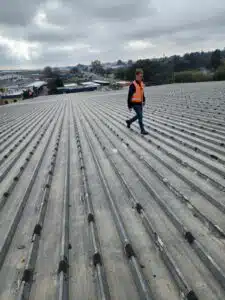
Factory Roofing
Factory roofing is essential for protecting your industrial assets and maintaining operational efficiency. You’ll want to take into account common materials like EPDM, TPO, or modified bitumen, as they each offer different advantages. When choosing a roofing system, factor in your building’s structure, climate conditions, and long-term durability. Proper installation and ongoing maintenance are key for longevity. Keep an eye out for signs of damage to address issues promptly, ensuring your factory roof stays in top shape for years to come. Learn more about the best practices and materials to optimize your choice!
Importance of Factory Roofing
When it comes to running a factory, you can’t underestimate the importance of a sturdy roof. A solid roof protects your equipment, inventory, and workforce from the elements, ensuring smooth operations year-round. If leaks or structural failures occur, you risk costly downtime and damage that could impact productivity and profits. Additionally, a reliable roof helps maintain a safe working environment, reducing the chances of accidents related to weather exposure. You also want to take into account energy efficiency; a well-insulated roof can lower heating and cooling costs, contributing to your bottom line. Regular maintenance and inspections are essential, as they help identify potential issues before they escalate, keeping your factory running efficiently and securely. Prioritize your roof, and safeguard your investment.
Common Roofing Materials
Choosing the right roofing material is essential for any factory owner. You’ll find several common options that suit various needs and budgets. Metal roofing, like steel or aluminum, is durable and resistant to harsh weather, making it a popular choice. Single-ply membranes, such as TPO and EPDM, offer flexibility and ease of installation, ideal for flat roofs. Built-up roofing (BUR) consists of multiple layers, providing excellent waterproofing and insulation. If you’re looking for energy efficiency, consider reflective coatings that can keep your factory cooler. Finally, asphalt shingles, while more common in residential settings, can also be used in some industrial applications. Each material has unique benefits, so think about what aligns best with your factory’s requirements.
Factors to Consider When Choosing a Roofing System
When choosing a roofing system, you need to weigh material durability against cost efficiency. The right balance can save you money in the long run while ensuring your roof stands up to the elements. Let’s explore how these factors impact your decision.
Material Durability
Durability is an essential factor in selecting the right roofing system for your factory. You need a roof that can withstand various environmental conditions, including extreme temperatures, heavy rainfall, and potential impact from debris. Consider materials like metal, EPDM, or TPO, which offer high resistance to wear and tear. Check for warranties and manufacturer ratings, as these can give you insight into a material’s long-term performance. Also, think about the local climate and whether your chosen material can handle it effectively. Regular maintenance plays a role too, so choose a system that allows easy access for inspections and repairs. Ultimately, investing in durable materials now can save you time and money in the long run.
Cost Efficiency
Although many factors influence your decision, cost efficiency remains a top priority in selecting a roofing system for your factory. You’ll want to evaluate both initial costs and long-term savings. Consider the material’s lifespan—investing in higher-quality materials may save you money on repairs and replacements down the line. Energy efficiency is another critical factor; roofs that reflect heat can lower your energy bills greatly. Don’t forget about maintenance costs; some roofing systems require more upkeep than others. Additionally, factor in installation expenses and whether you’ll need professional help. Finally, check for warranties that cover future expenses, ensuring you’re not caught off guard. Balancing these elements will help you make a more informed choice that fits your budget.
Installation Best Practices
To guarantee a successful factory roofing installation, you must prioritize careful planning and execution. Start by evaluating the existing structure and identifying any repairs needed before installation. Choose high-quality materials that meet industry standards for durability and performance. It’s crucial to follow the manufacturer’s guidelines for installation, making sure proper techniques are used at every stage. Don’t forget to account for weather conditions, as extreme temperatures can affect material adhesion. During installation, maintain clear communication with your team, addressing any concerns immediately. Finally, make certain safety measures are in place to protect workers and the site. By adhering to these best practices, you’ll create a solid roofing system that can withstand the demands of a factory environment.
Maintenance Strategies for Longevity
Once your factory roofing installation is complete, maintaining it becomes essential for guaranteeing its longevity and performance. Regular inspections are key; schedule them at least twice a year to catch potential issues early. Clean your roof regularly, removing debris, leaves, and dirt that can trap moisture and cause damage. Assure proper drainage by checking gutters and downspouts for blockages. Address any minor repairs immediately to prevent larger problems down the line. Additionally, consider applying protective coatings that can enhance durability and weather resistance. Keep an eye on surrounding trees, trimming branches that might pose a risk to your roofing. By following these maintenance strategies, you’ll help extend the life of your factory roofing and protect your investment.
Signs of Roofing Damage and Repair Solutions
How can you tell if your factory roofing is in trouble? Look for signs like water stains on ceilings, peeling paint, or missing shingles. These indicate leaks or structural damage. You might also notice sagging areas or excess granules in gutters, which can signal wear and tear. If you spot any of these issues, it’s essential to act quickly.
For minor leaks, you can patch the area with roofing cement. However, if the damage is extensive, it’s best to call a professional. They can assess the roof and recommend repairs or a full replacement, ensuring your factory stays safe and functional. Regular inspections and timely repairs can save you from costly problems down the line. Don’t wait until it’s too late!
Frequently Asked Questions
How Long Does a Factory Roofing System Typically Last?
A factory roofing system typically lasts 20 to 30 years, depending on materials and maintenance. You can extend its lifespan by conducting regular inspections and addressing issues promptly to prevent more significant damage later.
What Are the Costs Associated With Factory Roofing Installation?
The costs associated with installation vary widely, typically ranging from $5 to $10 per square foot. Factors like materials, labor, and complexity affect the total price, so you should get multiple quotes for accurate budgeting.
Can Factory Roofing Be Installed During Winter?
Yes, you can install roofing during winter, but it’s more challenging. Cold temperatures can affect materials and adhesives, so make sure you choose the right products and follow best practices to maintain quality and safety.
Are There Eco-Friendly Options for Factory Roofing?
Yes, there are eco-friendly options for roofing. You can choose materials like metal, recycled shingles, or green roofs. These alternatives reduce environmental impact, improve energy efficiency, and often last longer than traditional options.
What Warranties Are Offered on Factory Roofing Materials?
Most manufacturers offer warranties ranging from 10 to 30 years on roofing materials. These warranties typically cover defects and performance issues, but you should always read the fine print for specific terms and conditions.
In summary, investing in quality factory roofing is essential for your facility’s safety and efficiency. By choosing the right materials and adhering to best installation practices, you can enhance durability and performance. Don’t forget about regular maintenance to extend your roof’s lifespan and prevent costly repairs. Stay vigilant for signs of damage, and address them promptly to guarantee your factory remains protected. A well-maintained roof not only safeguards your assets but also contributes to a productive work environment.