
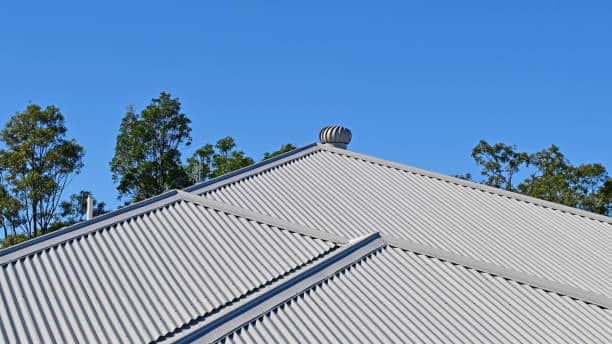
Custom Lead & Aluminium Roof Flashing Installation in Durban
Roof flashing plays an important role in protecting the most vulnerable points of a roofing system. Where roof slopes meet walls, chimneys, parapets, valleys and other junctions, correctly installed flashing helps direct rainwater away from areas where moisture could otherwise enter the building.
In Durban, heavy seasonal rainfall, high humidity, strong sunlight and coastal conditions can place additional demands on roofing materials. Damaged, poorly fitted or deteriorated flashing may contribute to water ingress, damp patches, peeling paint and damage to ceilings, timber and internal finishes.
Rooftite Projects Pty Ltd provides professional lead and aluminium roof flashing installation and replacement for residential and commercial properties in Durban and surrounding areas. Each flashing solution is selected and installed according to the roof design, junction being protected and condition of the existing roofing system.
What Is Roof Flashing?
Roof flashing is a weatherproofing component installed around vulnerable areas of a roof. Its primary purpose is to prevent rainwater from entering joints and directing water towards the roof’s drainage system.
Flashing can be required around:
- Roof-to-wall junctions
- Chimneys
- Parapet walls
- Roof valleys
- Skylights
- Dormer structures
- Roof penetrations
- Abutments between different roofing materials
When flashing is correctly designed and installed, it creates an important protective barrier against water penetration.
However, flashing is only one part of a complete roofing system. The surrounding tiles, sheets, mortar joints, underlays, gutters and drainage points must also be assessed to identify the actual source of a leak.
Lead and Aluminium Flashing Options
Different roof designs and applications may require different flashing materials. Rooftite Projects can assess the property and recommend an appropriate solution based on the location, roof construction and environmental exposure.
Lead Roof Flashing
Lead is a traditional flashing material valued for its flexibility and ability to be formed around complex roof details.
It can be particularly useful around irregular junctions where the flashing needs to be shaped to suit existing roof tiles, masonry or other architectural features.
Proper installation is essential. Lead flashing should be securely detailed and appropriately integrated with the surrounding structure to reduce the risk of movement, water tracking or premature failure.
Aluminium Roof Flashing
Aluminium provides a lightweight alternative for many roofing applications. It can be formed and finished to suit different roof profiles and is commonly used where a lighter flashing material is appropriate.
Aluminium flashing can be particularly suitable for certain metal roofing systems, wall abutments and architectural applications. Material selection should take the surrounding environment and compatibility with other metals into consideration.
For coastal properties, choosing an appropriate finish and installation method is important to help reduce corrosion-related problems.
Who Can Benefit From Custom Roof Flashing?
Custom flashing installation can benefit homeowners, landlords, body corporates, commercial property owners and other building managers experiencing problems around roof junctions.
The service may be appropriate when:
- Existing flashing has become damaged
- Flashing has lifted or moved
- Water is entering around a chimney
- A roof-to-wall junction is leaking
- Old flashing has deteriorated
- A roof renovation requires new flashing
- A new roof requires correctly detailed junctions
- Valley or abutment areas require additional weatherproofing
- Previous repairs have failed to resolve recurring leaks
Rather than simply applying sealant over an existing problem, the surrounding roof detail should be inspected to determine whether the flashing itself, the substrate or another roofing component is responsible for the water ingress.
What’s Included in a Professional Flashing Installation?
A professional flashing project should begin with an assessment of the affected area rather than simply replacing visible metal.
Depending on the condition of the roof, the work may include:
- Inspection of roof junctions and abutments
- Identification of potential water-entry points
- Assessment of existing flashing
- Recommendation of suitable flashing material
- Accurate measurement of the required sections
- Custom cutting and shaping
- Removal of damaged or deteriorated flashing
- Installation around roof-to-wall junctions
- Appropriate integration into masonry or mortar joints where required
- Sealing of relevant interfaces
- Inspection of surrounding roofing materials
- Final quality check and site clean-up
The exact scope will depend on the roof’s construction and the extent of the existing damage.
Why Flashing Matters in Durban
Durban’s climate makes effective roof waterproofing particularly important.
The region experiences periods of heavy rainfall, high humidity and strong sunlight. Properties closer to the coast can also be exposed to airborne salt and marine conditions.
Over time, these environmental factors can contribute to deterioration of roofing components, particularly where inferior materials, inadequate detailing or poor installation are present.
Roof flashing also has to accommodate movement caused by temperature changes. If flashing is incorrectly installed or unable to accommodate movement, gaps can develop at vulnerable junctions.
Regular roof inspections can help identify deterioration before a relatively small flashing problem develops into extensive internal water damage.
Protecting Roof-to-Wall Junctions
Roof-to-wall junctions are particularly important areas to inspect.
Rainwater can accumulate or track along these interfaces if flashing is incorrectly positioned or if the surrounding masonry and roofing materials have deteriorated.
Properly detailed flashing should direct water away from the junction while reducing the opportunity for water to travel behind the flashing.
Where flashing is installed into masonry, the installation method should be appropriate for the wall construction and existing mortar joints. The condition of the surrounding masonry should also be assessed before installation.
Flashing Around Chimneys and Parapets
Chimneys and parapet walls create additional junctions where water can enter a building if the waterproofing detail fails.
Signs of a potential problem may include:
- Damp patches around a chimney
- Water staining on ceilings
- Peeling paint near external walls
- Cracked or deteriorated mortar
- Loose or lifted flashing
- Visible gaps between flashing and masonry
- Recurring leaks after heavy rainfall
Replacing the flashing without addressing damaged masonry or other underlying problems may not permanently resolve the leak. A complete assessment of the affected area is therefore important.
Custom Flashing for Existing Roofs
One of the advantages of custom flashing is that it can be made to suit the existing roof rather than relying on a generic fitting.
Every roof has different:
- Pitches
- Materials
- Junction details
- Wall profiles
- Chimney designs
- Valley configurations
- Drainage arrangements
A custom approach allows the flashing to be measured and shaped according to the actual structure.
This can be particularly useful when working on older Durban properties where previous alterations, extensions or repairs have created unusual roof junctions.
Signs Your Roof Flashing May Need Attention
A flashing problem is not always visible from inside the roof.
Property owners should consider arranging an inspection if they notice:
- Water stains on ceilings
- Damp patches around walls
- Peeling or bubbling paint
- Mould or persistent moisture
- Leaks that occur during heavy rainfall
- Rusted or visibly damaged flashing
- Flashing that has lifted from the roof
- Cracked sealant around roof junctions
- Deteriorated mortar around flashing
- Repeated leaks following previous repairs
A leak may originate some distance from where the water eventually becomes visible indoors. Professional inspection can therefore help identify the actual entry point rather than treating only the visible symptom.
Our Roof Flashing Installation Process
Rooftite Projects follows a practical process designed to identify the problem and provide an appropriate flashing solution.
Step 1 – Roof Inspection
The affected roof area is inspected to identify damaged flashing, vulnerable junctions and other potential sources of water ingress.
Step 2 – Material and Design Assessment
The appropriate flashing material and installation method are considered according to the roof construction, junction detail and environmental conditions.
Step 3 – Custom Preparation
The flashing is measured, cut and shaped to suit the specific roof detail.
Step 4 – Professional Installation
The new flashing is installed and integrated with the surrounding roofing and masonry as required. Relevant interfaces are sealed appropriately to help prevent water tracking behind the flashing.
Step 5 – Final Inspection
The completed work is checked for visible gaps, poor joins, movement and other potential weaknesses. The surrounding area is also inspected to ensure that the flashing works with the existing roof drainage and waterproofing system.
Key Benefits of Professional Roof Flashing Installation
Improved Water Management
Correctly detailed flashing helps direct rainwater away from vulnerable roof junctions.
Protection Against Water Ingress
Well-installed flashing can reduce the risk of rain entering around roof-to-wall junctions, chimneys and other penetrations.
Protection of Internal Finishes
Preventing water ingress can help protect ceilings, plaster, paintwork and other internal finishes from moisture-related deterioration.
Improved Roof Longevity
Addressing deteriorated flashing before water damage spreads can help protect the surrounding roofing structure.
Custom Fit
Custom fabrication allows flashing to be shaped around the property’s specific roof and architectural details.
Professional Finish
Correctly fitted flashing provides both functional weather protection and a neat finish around visible roof junctions.
Lead vs Aluminium Roof Flashing
There is no single flashing material that is ideal for every roof.
| Feature | Lead Flashing | Aluminium Flashing |
|---|---|---|
| Flexibility | Highly malleable | Lightweight and formable |
| Weight | Relatively heavy | Lightweight |
| Complex roof details | Well suited to many irregular details | Suitable for many profiles and applications |
| Corrosion considerations | Durable when correctly installed | Requires appropriate specification and finish |
| Typical applications | Chimneys, tiles and masonry junctions | Metal roofs, trims and selected wall junctions |
| Material selection | Dependent on roof and environmental conditions | Dependent on roof, finish and material compatibility |
The correct choice should be based on the specific application rather than simply selecting the material with the longest advertised lifespan.
Frequently Asked Questions
What is the difference between lead and aluminium roof flashing?
Lead is a dense and highly malleable material that can be shaped around many irregular roof details. Aluminium is considerably lighter and can be formed for a variety of roofing applications. The most suitable material depends on the roof design, junction and surrounding materials.
Why can roof flashing fail in Durban?
Heavy rainfall, humidity, sunlight, coastal exposure, temperature changes, poor installation and deterioration of surrounding materials can all contribute to flashing problems. Incorrect detailing or failed joints may also allow water to enter behind the flashing.
Can damaged roof flashing be repaired?
Minor defects may sometimes be repaired, depending on the condition of the flashing and surrounding materials. If flashing is badly damaged, corroded, distorted or incorrectly installed, replacement may provide a more appropriate long-term solution.
How long does roof flashing last?
The service life of flashing varies considerably depending on the material, installation quality, environmental exposure, roof design and maintenance. Rather than relying on a fixed lifespan, regular inspection is recommended to identify deterioration.
Does replacing flashing require the entire roof to be removed?
Generally, no. Flashing work is normally concentrated around specific junctions and affected areas. However, some surrounding roofing materials may need to be temporarily lifted or removed to access and correctly install the flashing.
Can flashing be installed around a brick wall?
Yes. Flashing can be detailed at masonry junctions using an installation method appropriate to the wall and roof construction. The condition of the mortar and masonry should be assessed as part of the installation.
Is lead flashing suitable for properties that collect rainwater?
Lead should be carefully considered where roof runoff is collected for household water use. If rainwater is harvested, discuss the application with your roofing contractor so that a suitable non-lead or alternative flashing solution can be considered.
What are the warning signs of failing flashing?
Common warning signs include recurring leaks, ceiling stains, damp patches, deteriorated sealant, visible gaps, loose flashing and water damage around chimneys or roof-to-wall junctions.
How long does flashing installation take?
The timeframe depends on the number of areas requiring work, roof accessibility, the extent of damage and whether surrounding roofing or masonry requires repairs. A site assessment provides a more accurate indication of the required work.
Does Rooftite Projects work on residential and commercial properties?
Yes. Rooftite Projects Pty Ltd provides roofing and waterproofing services for residential and commercial properties in Durban and surrounding areas.
Areas Served
Rooftite Projects Pty Ltd serves property owners across Durban and surrounding areas, including:
- Durban North
- Umhlanga
- La Lucia
- Morningside
- Berea
- Glenwood
- Westville
- Hillcrest
- Umdloti
- Ballito
Service availability may depend on the location and scope of the project.
Protect Your Durban Property From Roof Leaks
Damaged flashing can allow water to enter through some of the most vulnerable areas of a roofing system. Addressing these problems early can help reduce the risk of ongoing leaks and moisture-related damage.
For property owners looking for lead and aluminium roof flashing installation in Durban, Rooftite Projects Pty Ltd provides professional assessment, custom flashing solutions and installation for residential and commercial roofing applications.
If you have noticed recurring leaks, damaged flashing or damp around a chimney, parapet or roof-to-wall junction, arrange a professional inspection before the problem becomes more extensive.
Contact Rooftite Projects Pty Ltd today to discuss your roof flashing requirements and request an assessment and tailored quotation.