
Certified Roofing Contractor Durban: Practical Advice for Protecting Your Property in 2026
Durban’s coastal climate can be tough on roofing. Heavy rainfall, high humidity, strong winds, intense sunlight and salt-laden air can gradually affect roof coverings, flashing, gutters, fasteners and waterproofing systems.
When you notice a leaking ceiling, cracked tiles, rust around roof sheeting or damage following a storm, getting the problem assessed quickly can help prevent more expensive repairs later.
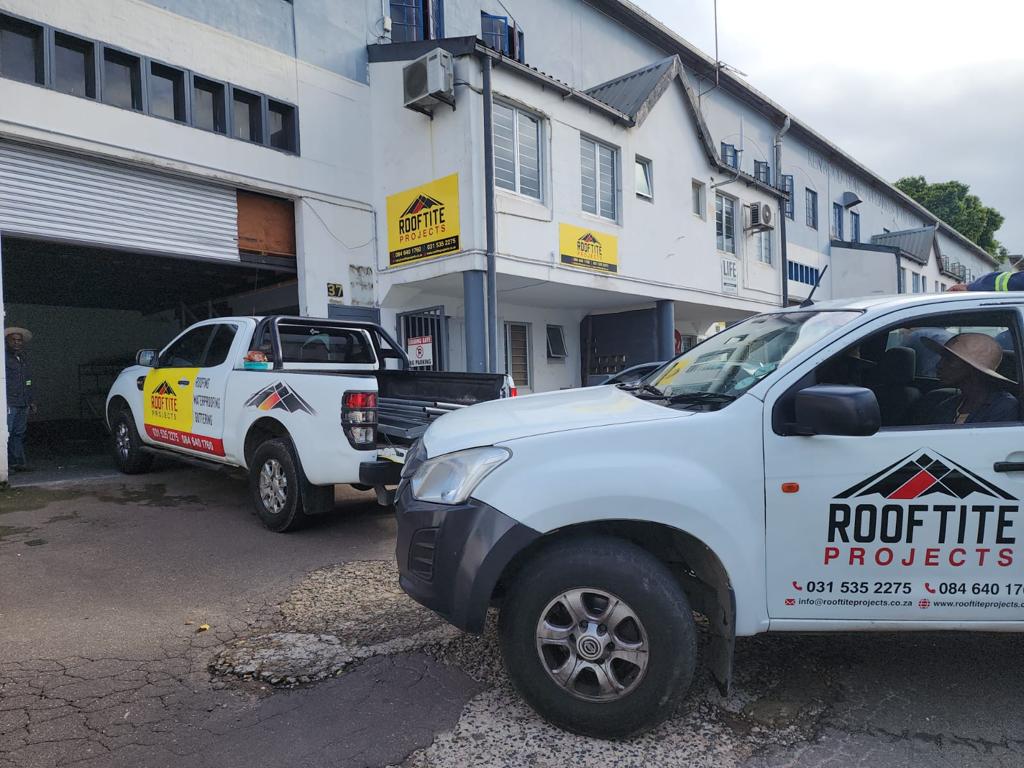
Choosing an experienced certified roofing contractor in Durban gives property owners access to professional advice, appropriate materials and workmanship suited to local conditions. Rooftite Projects Pty Ltd provides roofing services including inspections, waterproofing, maintenance, repairs and roof replacement for residential and commercial properties.
Why Choose a Professional Roofing Contractor in Durban?
Roof repairs are not simply a matter of replacing a damaged tile or applying sealant to a visible crack. The source of a leak can be several metres away from the point where water eventually appears inside the building.
A professional roofing contractor can assess the roof covering, flashing, valleys, gutters, waterproofing and supporting components to determine what is actually causing the problem.
Working with an appropriately qualified and experienced contractor can also help ensure that:
- Roofing materials are installed according to manufacturer requirements.
- Repairs are matched to the existing roof system where appropriate.
- Water drainage paths are kept clear and functional.
- Damaged areas are assessed before temporary repairs conceal the underlying problem.
- Work at height is approached with appropriate safety procedures.
- Property owners receive a clear explanation of recommended repairs.
For Durban properties, contractors also need to consider the effects of coastal exposure. Metal components may be particularly vulnerable to corrosion, while prolonged moisture and humidity can contribute to deterioration of timber, sealants and waterproofing systems.
Roof Inspections: Finding Problems Before They Become Major Repairs
A regular roof inspection can identify developing problems before they result in extensive internal water damage.
During an inspection, areas such as the following may need attention:
- Cracked or displaced roof tiles
- Damaged or deteriorated flashing
- Rusting roof sheeting and fasteners
- Blocked valleys and gutters
- Damaged ridge capping
- Deteriorated waterproofing
- Loose or damaged roof components
- Signs of water entering the ceiling cavity
- Deteriorated timber components where accessible
After significant rainfall or strong winds, an additional inspection can be worthwhile, particularly where the property has previously experienced leaks.
Early detection is important because a relatively small roofing defect can allow repeated water penetration. Over time, this may contribute to damaged ceilings, insulation, timber components and interior finishes.
Waterproofing and Roof Sealing in Durban
Waterproofing is particularly important on flat and low-pitched roofs, balconies, concrete surfaces and other areas where water can collect or drain slowly.
A professional waterproofing project should begin with an assessment of the existing surface. Simply applying a new coating over a failed system may not provide a lasting solution if the underlying substrate has not been properly prepared.
Depending on the roof and the nature of the problem, waterproofing work may involve:
- Removing failed or loose waterproofing materials.
- Preparing and cleaning the surface.
- Repairing cracks and defective areas.
- Treating suitable surfaces with the appropriate waterproofing system.
- Reinforcing vulnerable joints and transitions where required.
- Checking drainage points and outlets.
- Sealing areas around penetrations and flashing.
The correct waterproofing system depends on the roof construction, existing materials, condition of the substrate and exposure to weather. Professional assessment is therefore important before selecting a product.
Storm Damage Repair for Durban Properties
Durban’s heavy storms can expose weaknesses that have developed gradually over time.
High winds may loosen tiles, damage flashing or affect roof sheeting, while intense rainfall can quickly expose blocked gutters, failed waterproofing and drainage problems.
After a storm, look for signs such as:
- Missing or displaced tiles
- Loose or damaged roof sheets
- New ceiling stains
- Water entering around skylights or roof penetrations
- Damaged flashing
- Blocked gutters and downpipes
- Fallen branches or other debris on the roof
- Visible sagging or other structural concerns
If water is entering the building, the immediate priority should be limiting further damage while avoiding unsafe access to the roof during dangerous weather.
Once conditions are safe, a professional assessment can establish which areas require temporary protection and which components need permanent repair.
Storm repairs may include replacing damaged tiles, securing roofing components, repairing flashing, addressing waterproofing failures and replacing damaged supporting materials where necessary.
If you are making an insurance claim, photographs and a clear record of the damage can also be useful. Insurance requirements vary between policies, so property owners should follow their insurer’s specific claims process.
When Should You Consider a Complete Roof Replacement?
Not every leaking roof needs to be replaced. In many cases, targeted repairs or waterproofing can restore the roof and extend its useful service life.
However, replacement may become more practical when deterioration is widespread or repeated repairs are no longer economical.
Potential warning signs include:
Widespread Corrosion
Extensive corrosion across metal roof sheets, particularly where the metal has become significantly deteriorated, can indicate that replacement should be considered.
Persistent Leaks
If several areas continue leaking despite previous repairs, the problem may extend beyond a single defective section.
Sagging Roof Areas
Visible sagging may indicate an underlying structural or drainage issue and should be professionally assessed rather than simply covered with a new waterproofing layer.
Deteriorating Tiles
Older tiles may become cracked, porous, brittle or damaged over time. If deterioration is widespread, replacing the roof may make more sense than continually replacing individual tiles.
Repeated Repair Costs
When a roof requires frequent repairs, property owners should compare the ongoing cost of maintenance with the long-term value of a replacement.
A replacement also provides an opportunity to improve aspects of the roof system, including insulation, ventilation, drainage and the selection of materials appropriate for the property’s environment.
Choosing Roofing Materials for Durban’s Coastal Environment
Roofing materials need to be selected according to the property’s location, roof design, exposure and intended service life.
For metal roofing, appropriate protective coatings and corrosion-resistant components can be particularly important in coastal environments.
Installation quality is equally important. Even high-quality roofing products can perform poorly when incorrectly installed, inadequately fixed or used with unsuitable accessories.
A professional roofing contractor can assess the existing structure and recommend a suitable roofing solution rather than simply choosing materials based on appearance or initial price.
Frequently Asked Questions
How often should I have my roof inspected in Durban?
An annual professional inspection is a sensible maintenance measure for many properties. It can also be worthwhile to arrange an inspection after significant storms, particularly if you notice leaks, displaced tiles, damaged flashing or other visible problems.
What causes roof leaks during heavy Durban rainfall?
Common causes include blocked gutters and valleys, damaged flashing, cracked tiles, deteriorated waterproofing, damaged roof sheets and failed seals around roof penetrations. Sometimes water travels beneath the roof covering before appearing as an internal ceiling stain, making professional diagnosis important.
How long does a roof replacement take?
The duration depends on the size and complexity of the property, the existing roof condition, the selected materials and weather conditions. A straightforward residential project may take several working days, while larger or more complicated roofs can take considerably longer.
Does Durban’s coastal climate damage roofs?
Coastal exposure can increase the risk of corrosion affecting susceptible metal components. Humidity, rainfall, UV exposure and strong winds can also contribute to the deterioration of roofing materials and sealants. Appropriate material selection and regular maintenance can help reduce these risks.
Can a leaking roof always be repaired?
Not necessarily. Some leaks can be resolved with targeted repairs or waterproofing, while roofs with extensive deterioration, structural problems or widespread corrosion may be better candidates for replacement. A professional inspection can help determine the most appropriate option.
Protect Your Durban Property With Professional Roofing Services
Your roof is one of the most important protective elements of your property. Small defects can become significant problems when they are repeatedly exposed to Durban’s heavy rainfall and coastal weather.
Whether you need a roof inspection, waterproofing, maintenance, storm damage repair or advice about replacing an ageing roof, Rooftite Projects Pty Ltd can assess the condition of your roofing system and explain the available options.
Don’t wait for a small roofing problem to become major water damage. Contact Rooftite Projects today to arrange a professional roof inspection or discuss your roofing requirements in Durban.