
Flat Roof Maintenance Durban: Protecting Your Concrete Deck
Durban’s warm coastal climate is ideal for living and working, but the combination of intense sun, humidity, salt-laden air and heavy seasonal rainfall can place significant pressure on flat roofing systems. Concrete decks and low-slope roofs in areas such as Durban North need reliable drainage and properly maintained waterproofing to remain watertight.
When drainage outlets become blocked with leaves, silt or windblown debris, water can begin pooling across the roof surface. Prolonged ponding places additional stress on waterproofing membranes, joints and perimeter flashings. Eventually, even a small crack or failed seal can allow moisture to penetrate the structure, resulting in damp ceilings, damaged finishes and potentially more extensive repairs.
Regular flat roof maintenance in Durban provides an opportunity to identify these issues early and keep your concrete deck performing properly throughout the year.
Why Durban’s Coastal Climate Demands Proactive Flat Roof Maintenance
Flat roofs experience different challenges from conventional pitched roofing. Because they have a low slope, they depend heavily on properly positioned and unobstructed drainage points to remove rainwater efficiently.
Durban’s climate adds several additional pressures. Strong sunlight can cause roofing materials to expand and contract, while sudden temperature changes during heavy afternoon storms create repeated thermal movement. Over time, this movement can affect joints, membrane seams, parapet edges and flashing details.
Coastal conditions can also contribute to the deterioration of exposed metalwork and sealants. Combined with heavy rainfall and airborne debris, these factors make preventative maintenance particularly important for concrete decks in Durban and surrounding coastal areas.
A properly maintained drainage system helps prevent water from remaining on the roof for extended periods and reduces unnecessary stress on the waterproofing system.
Essential Steps for Flat Concrete Deck Care and Scupper Clearing
Effective roof maintenance involves more than simply removing visible dirt. A thorough inspection should assess the roof surface, waterproofing, drainage system and areas where different materials meet.
Important maintenance tasks include:
Scupper and Outlet Cleaning
Scuppers and rainwater outlets are particularly vulnerable to blockages. Leaves, twigs, soil and other debris can collect around drainage openings and restrict the flow of stormwater.
Cleaning these areas regularly helps ensure that heavy rainfall can leave the roof quickly. Drainage should be checked before periods of expected heavy rainfall and again after major storms where significant debris may have accumulated.
Waterproofing Membrane Inspection
Waterproofing membranes should be checked for visible deterioration, including:
- Cracks and splits
- Blistering or bubbling
- Lifted membrane edges
- Damaged or open seams
- Punctures caused by foot traffic or maintenance work
- Areas where the coating has become thin or worn
Different waterproofing systems require different repair methods, so damaged areas should be assessed before any new product is applied.
Parapet Flashing and Joint Inspection
The junction between a flat roof and a parapet wall is a common area for water ingress. Flashings, counter-flashings and sealant joints should be inspected to ensure they remain properly secured and watertight.
A deteriorated seal may look relatively minor but can allow water to travel behind the flashing and into the building structure.
Drainage Outlet Strainers
Internal rainwater outlets can benefit from suitable leaf strainers or protective grates. These help prevent larger debris from entering the drainage system while still allowing water to flow freely.
Strainers should also be checked during routine maintenance because a blocked or poorly maintained strainer can restrict drainage just when the roof needs it most.
Spotting Early Signs of Water Ingress and Membrane Damage
Roof problems are often easier and less expensive to address when identified early. Property owners and building managers should pay attention to both external and internal warning signs.
On the roof, look for:
- Water that remains pooled long after rainfall
- Cracked or deteriorating waterproofing
- Raised or curling membrane edges
- Damaged flashing
- Open joints
- Vegetation growing around drainage points
- Blocked scuppers or outlets
Inside the property, warning signs may include ceiling discolouration, peeling paint, damp patches or a persistent musty smell in upper-floor rooms.
Water does not always appear directly underneath the point where it enters the roof. Moisture can travel through concrete and along building components before becoming visible indoors. This is why recurring damp patches should be professionally investigated rather than simply painted over.
Preparing Your Roof Drainage Before Heavy Downpours
Durban’s summer rainfall can be intense, with large volumes of water reaching a roof within a short period. A drainage system that copes with ordinary rainfall may struggle when outlets are partially blocked during a severe downpour.
Preparing a flat roof before the wetter months is therefore an important part of preventative maintenance.
A professional inspection should confirm that:
- Primary drainage outlets are clear.
- Scuppers are free of leaves and debris.
- Overflow outlets are unobstructed.
- Waterproofing seams remain intact.
- Parapet flashings are properly sealed.
- There are no obvious areas of structural settlement.
- Ponding water is investigated rather than ignored.
Overflow scuppers are particularly important because they provide an additional route for water if a primary outlet becomes obstructed. Keeping both primary and secondary drainage points clear can help reduce the risk of water reaching vulnerable parapet and flashing areas during severe storms.
How Often Should a Flat Roof Be Maintained?
The ideal maintenance schedule depends on the building, roof design, drainage system and surrounding environment. However, a comprehensive professional inspection at least twice a year is a sensible starting point for many flat concrete roofs.
Additional inspections may be appropriate after:
- Severe storms
- High-wind events
- Significant construction or maintenance work
- Visible waterproofing damage
- Recurring internal leaks
- Changes to drainage performance
Properties surrounded by trees or exposed to significant coastal conditions may require more frequent attention.
Frequently Asked Questions
How often should flat roof maintenance in Durban be scheduled?
A professional inspection and drainage clean should generally be carried out at least twice a year, particularly before and after the wetter seasons. Additional checks may be necessary following severe storms or whenever signs of water ingress appear.
What causes standing water on a flat concrete deck?
Ponding can result from blocked drainage outlets, insufficient falls, structural settlement or changes in the roof surface. Waterproofing deterioration can also contribute to drainage problems. Persistent ponding should be investigated rather than treated as normal.
Why are scuppers important on flat concrete roofs?
Scuppers provide a route for rainwater to leave the roof through the parapet wall. If they become blocked, water can accumulate rapidly during heavy rainfall, increasing the risk of leaks and placing additional loads on the roof structure.
Can small membrane cracks cause serious building damage?
Yes. A small opening in a waterproofing system can provide an entry point for moisture. Once water penetrates beneath the waterproofing layer, it can migrate through the concrete and contribute to dampness, corrosion of reinforcement and deterioration of interior finishes.
Can I simply reseal a leaking area myself?
A temporary repair may stop visible water for a short period, but it does not necessarily address the underlying cause. The source of a flat roof leak can be some distance from where water eventually appears inside the building. A professional inspection can help identify the actual failure point and determine the appropriate repair method.
Protect Your Flat Roof Before the Next Storm
Regular maintenance is one of the most effective ways to protect a flat concrete deck against Durban’s demanding coastal weather. Keeping drainage outlets clear, checking waterproofing membranes and maintaining parapet flashings can help identify potential problems before they develop into major leaks.
If your concrete deck has persistent ponding, damaged waterproofing, blocked drainage or signs of water ingress, professional assessment can help determine what needs attention.
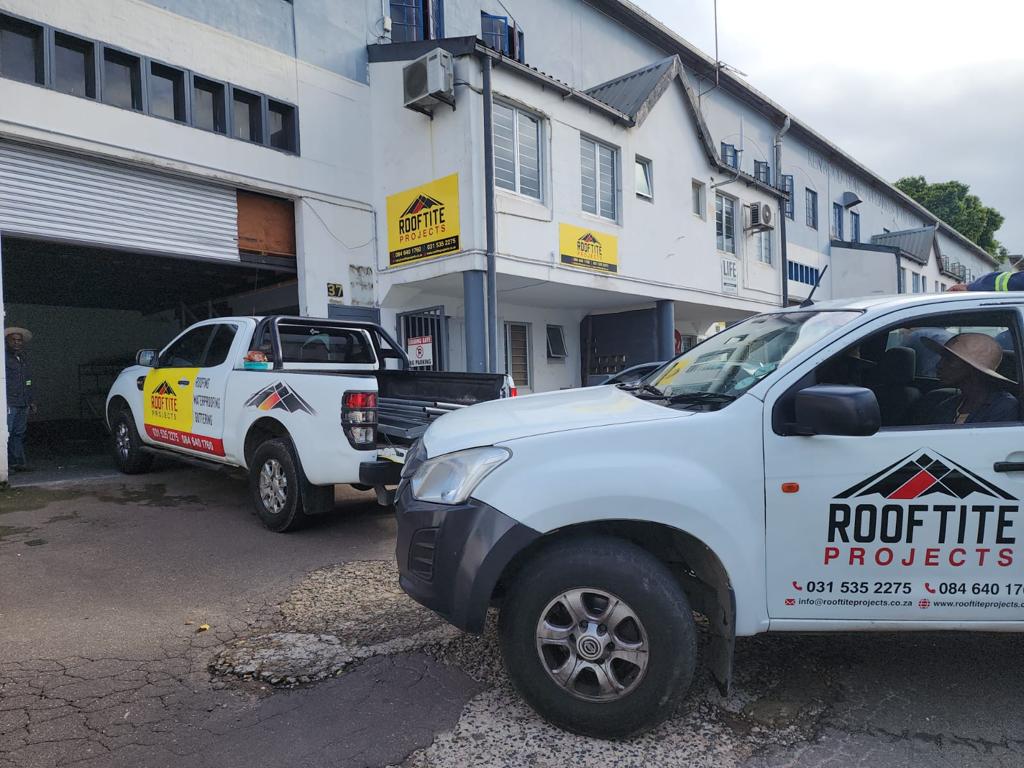
Rooftite Projects Pty Ltd provides roofing and waterproofing solutions for properties in Durban North and surrounding areas. Speak to the team about a roof inspection, leak repair or storm-related damage and take proactive steps to keep your property protected.