
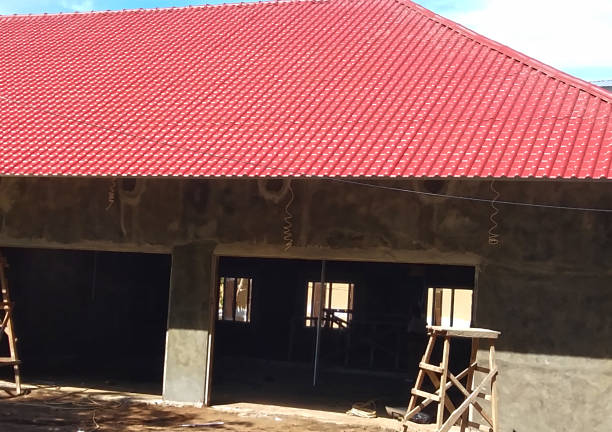
IBR Roofing
IBR roofing is a smart choice for your building needs, thanks to its unique design that enhances water runoff and reduces leaks. It’s lightweight, durable, and offers a modern look that boosts curb appeal. You’ll enjoy better energy efficiency, which means lower utility bills. Plus, the installation is quick and straightforward, making it easier for contractors. If you want to find out more about its benefits, materials, and costs, keep exploring the topic further.
Advantages of IBR Roofing
When you consider roofing options, IBR roofing stands out for several compelling reasons. First, its unique design enhances water runoff, reducing the risk of leaks and water damage. You’ll appreciate its durability; it can withstand harsh weather conditions, making it a long-lasting solution for your home. IBR roofing is also lightweight, which means it’s easier to install and requires less structural support. Additionally, its modern aesthetic can boost your property’s curb appeal, adding value to your investment. With various colors and finishes available, you can customize it to suit your style. Finally, IBR roofing is cost-effective, offering a balance of quality and affordability, ensuring you get the best bang for your buck without sacrificing performance.
Materials Used in IBR Roofing
IBR roofing is primarily made from high-quality materials that enhance its performance and longevity. Typically, you’ll find galvanized steel or aluminum sheets used, which provide excellent resistance against rust and corrosion. These materials are coated with a protective layer, ensuring they withstand harsh weather conditions. Additionally, color-coated options are available, allowing you to choose a finish that complements your home’s aesthetic. Some IBR roofing also incorporates polycarbonate or fiberglass for added insulation and light transmission. These materials not only improve energy efficiency but also contribute to a lighter overall structure. When selecting IBR roofing, consider factors like thickness and gauge, as these will impact durability and performance over time. You’re investing in a long-lasting solution for your roofing needs.
Installation Process of IBR Roofing
When you’re ready to install IBR roofing, proper preparation and planning are essential. You’ll need to carefully choose the right materials and follow a clear set of installation steps. Let’s take a closer look at each aspect to guarantee a successful roofing project.
Preparation and Planning
Before diving into the installation process, it’s crucial to take the time for thorough preparation and planning. Start by evaluating your roof’s condition, making sure it’s structurally sound and free from debris. Measure the roof area accurately to determine how much IBR sheeting you’ll need. Next, create a detailed timeline for the project, setting realistic deadlines to keep everything on track. Don’t forget to gather the necessary tools and safety equipment, like ladders and harnesses, to guarantee a secure working environment. Additionally, check local building codes and obtain any required permits. By laying the groundwork now, you’ll make the installation process smoother and more efficient, minimizing potential setbacks as you move forward.
Material Selection Process
Choosing the right materials is essential for a successful IBR roofing installation, as it directly impacts durability and performance. Start by considering the climate in your area; this will guide you in selecting materials that can withstand local weather conditions. Next, look into the types of IBR sheets available, such as galvanized steel or aluminum, and weigh their benefits against costs. Don’t forget to factor in insulation and waterproofing materials, which can enhance energy efficiency and prevent leaks. Finally, confirm your chosen materials comply with local building codes and standards. By taking the time to select the right components, you’ll set the foundation for a roof that lasts and protects your home effectively.
Installation Steps Overview
Although the material selection is crucial, the installation process of IBR roofing is equally important for achieving a durable and effective roof. First, you’ll need to prepare the roof deck, making sure it’s clean and free from debris. Next, install a waterproof underlayment to protect against leaks. Then, position the IBR sheets, overlapping them appropriately to prevent water penetration. Secure each sheet with screws, making certain they’re placed in the correct locations for maximum stability. After that, check for proper alignment and make any necessary adjustments. Finally, seal the edges and joints with an appropriate sealant to enhance durability. By following these steps, you’ll guarantee a robust IBR roofing system that stands the test of time.
Maintenance Tips for IBR Roofing
To keep your IBR roofing in top shape, regular maintenance is essential for extending its lifespan and preventing costly repairs. Start by inspecting your roof at least twice a year for any signs of damage, such as rust, dents, or loose panels. Clear away debris, leaves, and dirt from the surface and gutters to guarantee proper drainage. If you notice any leaks or corrosion, address them immediately to avoid further issues. Consider applying a protective coating every few years to enhance durability and resist moisture. Trim overhanging branches to prevent scratches and damage during storms. Finally, always hire a professional for major repairs or inspections to guarantee your roof remains safe and functional. Your attention to these details will pay off in the long run.
Cost Considerations for IBR Roofing
When contemplating IBR roofing, it’s important to take into account various costs beyond just the initial installation. You’ll need to account for materials, labor, and any additional features like insulation or waterproofing. While IBR panels are generally affordable, remember to include long-term expenses such as maintenance and potential repairs. Over time, your choice of roofing can influence energy efficiency, affecting your utility bills. It’s also wise to take into account warranties and insurance, which can add to your overall costs but offer peace of mind. If you’re in an area prone to severe weather, investing in higher-quality materials might save you money in the long run. Always weigh these factors to guarantee you make an informed decision.
Comparisons With Other Roofing Types
When you compare IBR roofing to other types, you’ll notice its impressive durability against harsh weather conditions. Not only does it offer cost-effectiveness over time, but the installation process is also straightforward. Let’s explore how it stacks up against alternatives like tiles or shingles.
Durability Against Weather Conditions
While many roofing materials boast impressive durability, IBR roofing stands out in its ability to withstand extreme weather conditions. Unlike traditional shingles or tiles, which can crack or warp under heavy rain or intense heat, IBR roofing offers superior resistance to moisture and temperature fluctuations. You’ll find that its robust metal structure minimizes the risk of leaks and damage during storms. Additionally, IBR roofing’s strength helps it endure strong winds, preventing blow-offs that can occur with other materials. Compared to clay or concrete roofing, which may chip or break, IBR remains resilient, ensuring long-lasting protection. When you choose IBR, you’re investing in a roofing solution designed to handle whatever Mother Nature throws your way.
Cost-Effectiveness Over Time
Choosing IBR roofing not only provides durability but also proves to be cost-effective over time. Compared to traditional roofing materials like asphalt shingles or clay tiles, IBR roofs require less maintenance and replacement, saving you money in the long run. Their resistance to harsh weather conditions reduces the risk of damage, which means fewer repair costs. Additionally, IBR roofing often comes with longer warranties, giving you peace of mind and further financial protection. When you factor in energy efficiency, IBR roofs can lower your utility bills by keeping your home cooler in summer and warmer in winter. Overall, investing in IBR roofing is a smart choice that pays off, making it a wise option for your building needs.
Installation Process Comparisons
Although many roofing options are available, the installation process for IBR roofing stands out for its efficiency and simplicity. When you compare it to traditional shingles, you’ll notice IBR panels are quick to install, saving you time and labor costs. Unlike tile roofing, which requires a more intricate setup, IBR’s straightforward design means fewer complications during installation.
Additionally, with IBR, you won’t need specialized tools, making it accessible for a wider range of contractors. The lightweight nature of IBR panels reduces the strain on your structure, unlike heavier materials that might require additional support. Overall, if you value a hassle-free installation, IBR roofing is a smart choice that minimizes both time and effort.
Frequently Asked Questions
How Long Does IBR Roofing Typically Last?
Typically, IBR roofing lasts around 20 to 30 years, depending on maintenance and environmental factors. You can extend its lifespan with regular inspections and timely repairs, ensuring your roof remains in excellent condition.
Can IBR Roofing Be Installed Over Existing Roofs?
Yes, you can install IBR roofing over existing roofs, provided the structure is sound and meets local building codes. Always check for any potential issues, like moisture or damage, before proceeding with the installation.
Is IBR Roofing Suitable for All Climates?
Yes, IBR roofing is suitable for various climates. Its durability and versatility make it effective against heat, rain, and even snow. However, always consider local weather conditions and specific installation requirements for peak performance.
What Colors Are Available for IBR Roofing?
You’ll find a variety of colors available for IBR roofing, including classic shades like white, grey, and black, as well as vibrant options like blue, red, and green, allowing you to customize your roof’s aesthetic.
Does IBR Roofing Require a Specific Type of Insulation?
Yes, it does require specific insulation types to guarantee peak performance. You’ll want to choose insulation that complements the roofing material and meets your local building codes for energy efficiency and moisture control.
Conclusion
To sum up, IBR roofing offers a blend of durability and aesthetic appeal that’s hard to beat. With its lightweight materials and easy installation, you’ll save time and money while enhancing your property’s value. Plus, the low maintenance requirements make it a practical choice for homeowners. So, whether you’re building new or upgrading, consider IBR roofing for a smart, long-lasting solution that meets your needs and complements your style. You won’t regret it!