
Managing Coastal Flat Roof Leaks: A Durban Property Owner’s Guide to Damp Prevention
Flat roofs offer a clean, modern aesthetic and are a popular choice for homes, apartment complexes, and commercial buildings throughout Durban. However, the city’s humid subtropical climate presents unique challenges that can quickly turn minor moisture issues into costly structural problems if left untreated.
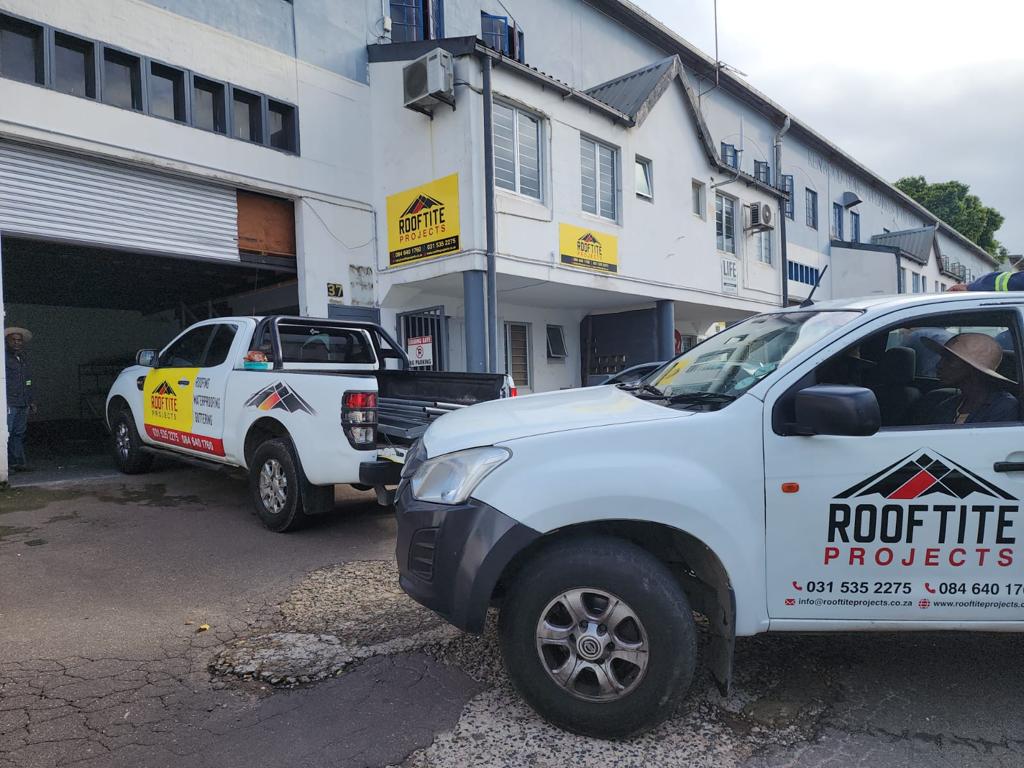
At Rooftite Projects Pty Ltd, we provide professional residential and commercial waterproofing Durban property owners can rely on. Our waterproofing systems are specifically selected for the demanding coastal environment, protecting concrete roofs, balconies, parapet walls, and exposed structures from heavy rainfall, high humidity, UV exposure, and corrosive salt air. By using premium waterproofing materials and proven installation methods, we help property owners prevent leaks, damp, and long-term structural damage.
Why Durban’s Coastal Climate Is Tough on Flat Roofs
Durban experiences high humidity for much of the year, intense summer sunshine, sudden thunderstorms, and salty coastal air. These environmental conditions place continuous stress on concrete structures.
Unlike pitched roofs that naturally shed rainwater, flat concrete roofs rely on carefully designed drainage outlets. When drains become blocked or waterproofing membranes begin to fail, water collects on the surface. As temperatures rise during the day and cool overnight, the concrete repeatedly expands and contracts.
Over time, this movement creates fine cracks that allow moisture to penetrate the concrete slab. Once water enters the structure, damage often progresses unnoticed until visible signs begin appearing inside the building.
Common Signs Your Waterproofing Is Failing
Early detection can significantly reduce repair costs. Property owners should watch for several warning signs that indicate waterproofing problems may already exist.
Damp Ceiling Stains
Brown or yellow water marks on ceilings beneath flat roof sections usually indicate moisture penetrating the roof slab.
Efflorescence
White powdery deposits forming on concrete or brick surfaces occur when water carries dissolved salts through the masonry before evaporating.
Peeling or Blistering Paint
Paint that bubbles, flakes, or separates from walls and ceilings often signals trapped moisture behind the surface.
Persistent Damp Odours
Musty smells frequently indicate hidden mould growth caused by long-term moisture within walls or ceiling cavities.
Cracks Around Parapet Walls
Small cracks along parapet walls, roof joints, or expansion joints often become entry points for rainwater.
Ignoring these symptoms allows moisture to spread deeper into the structure, resulting in damaged plaster, corrosion of reinforcing steel, and costly structural repairs.
Choosing the Right Waterproofing System
Not every waterproofing product performs well in Durban’s demanding coastal conditions. Lower-quality sealants may deteriorate rapidly under constant UV exposure and salt-laden air.
Professional assessment ensures the correct waterproofing solution is selected for the building’s design, condition, and intended use.
Bitumen Torch-On Membrane Systems
For large concrete roofs, commercial buildings, and industrial properties, bitumen torch-on membranes remain one of the most reliable waterproofing solutions available.
These polymer-modified membranes are heat-welded directly onto properly prepared concrete surfaces, creating a continuous waterproof barrier.
Benefits include:
- Exceptional resistance to standing water
- Excellent durability against UV exposure
- Strong resistance to punctures and mechanical damage
- Long service life when professionally installed
This system is widely regarded as one of the most dependable solutions for flat roof leaks Durban North property owners commonly experience.
Flexible Acrylic Waterproofing Systems
Areas with complex shapes or regular foot traffic require a different approach.
Flexible acrylic membrane systems, including fibre-reinforced cementitious products such as Sika Cemflex, provide seamless waterproof protection while accommodating normal structural movement.
These systems are particularly suitable for:
- Balconies
- Tiled terraces
- Shower areas
- Parapet walls
- Retaining walls
- Concrete planter boxes
Once cured, the membrane remains flexible and helps prevent cracking caused by normal building movement.
Why Concrete Waterproofing Matters
Concrete naturally contains microscopic pores that absorb moisture over time. Without proper protection, continuous water penetration can cause significant structural deterioration.
Professional concrete waterproofing helps:
- Prevent reinforcement corrosion
- Reduce internal damp problems
- Protect plaster finishes
- Extend the lifespan of concrete structures
- Improve overall property value
- Lower long-term maintenance costs
Investing in quality waterproofing is considerably less expensive than repairing water-damaged concrete later.
Practical Maintenance Tips for Flat Roofs
Even the highest-quality waterproofing system benefits from regular inspection and maintenance.
Keep Drainage Points Clear
Leaves, sand, and debris frequently block roof outlets during storms. Regular cleaning prevents standing water from accumulating.
Inspect Flashings
Parapet wall flashings and roof junctions should be inspected periodically for cracks or deterioration.
Limit Foot Traffic
Unless specifically designed as a trafficable surface, flat roofs should not be used as walkways. Excessive foot traffic can damage waterproof membranes.
Schedule Professional Inspections
Periodic inspections allow minor issues to be identified and repaired before they develop into significant leaks.
Frequently Asked Questions
How long does professional flat roof waterproofing last?
A professionally installed bitumen torch-on membrane generally provides between 8 and 12 years of reliable protection. Lifespan depends on environmental exposure, installation quality, drainage performance, and ongoing maintenance.
Can leaking balconies be waterproofed without removing the tiles?
While some surface sealers can temporarily reduce moisture penetration, they rarely solve the underlying problem. In most cases, the most reliable long-term solution involves removing the tiles, repairing the screed where necessary, installing a high-quality flexible waterproof membrane, and then retiling.
Is waterproofing only necessary after a leak appears?
No. Preventative waterproofing helps avoid structural deterioration before water damage becomes visible, often saving substantial repair costs in the future.
Protect Your Property Before the Next Rainy Season
Water damage rarely improves without intervention. Small leaks often become major structural problems when left untreated, particularly in Durban’s humid coastal climate.
If you’ve noticed ceiling stains, damp patches, peeling paint, or water pooling on your flat roof or balcony, arranging a professional assessment sooner rather than later can help prevent more extensive repairs.
Rooftite Projects Pty Ltd provides comprehensive waterproofing inspections for residential, commercial, and industrial properties throughout Durban and surrounding coastal areas. Our experienced team identifies the source of moisture ingress and recommends practical, long-lasting waterproofing solutions tailored to your property.
Protecting your building today is one of the most effective ways to preserve its structural integrity, appearance, and long-term value.