
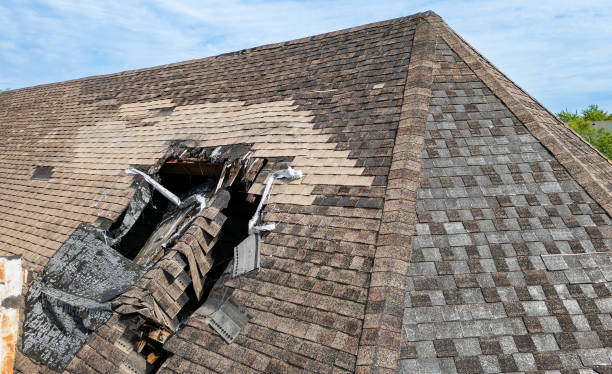
Roof Damage Assessment
Evaluating roof damage is essential for maintaining your home’s integrity. Look for curling or missing shingles and check for water stains on ceilings, which can indicate leaks. Inspect the gutters for granules or debris. You should conduct these inspections at least twice a year to catch issues early. If you notice significant problems or your roof is over 20 years old, it’s time to consult a professional. Find out more about how to keep your roof in top shape.
The Importance of Regular Roof Inspections
While you may not think about your roof often, regular inspections are vital to maintaining its integrity. These assessments help identify potential issues before they escalate into costly repairs. By scheduling inspections at least twice a year, you can spot wear and tear, loose shingles, or debris buildup that could lead to leaks. Additionally, a well-maintained roof not only protects your home but also enhances its overall value. You’ll also benefit from peace of mind knowing your roof is in good condition. If you’re planning to sell your home, having a documented history of inspections can be a selling point. So, don’t overlook this important aspect of home maintenance—stay proactive and keep your roof in top shape! Furthermore, regular inspections can help you take advantage of professional workmanship that ensures your roofing system remains durable and effective.
Common Signs of Roof Damage
How can you tell if your roof is in trouble? Look for curling or missing shingles, which often indicate wear and tear. Check for dark streaks or stains on your roof; these could suggest algae growth or trapped moisture. Inside your home, watch for water stains on ceilings or walls, as they often point to leaks. If you notice granules from shingles in your gutters, it’s a sign that your roof might be deteriorating. Additionally, inspect the flashing around chimneys and vents for rust or gaps, which can lead to leaks. Finally, if you spot sagging areas on your roof, don’t ignore them—they could indicate structural issues needing immediate attention. Stay vigilant to protect your home!
How to Safely Inspect Your Roof
After identifying signs of roof damage, it’s important to inspect your roof safely to assess the extent of any issues. Start by using a sturdy ladder to access the roof, ensuring it’s on stable ground. Wear a safety harness and non-slip shoes for extra security. If you’re uncomfortable on the roof, consider using binoculars from the ground instead. Look for missing shingles, curling edges, or dark spots that might indicate leaks. Check the flashing around chimneys and vents for any gaps. Don’t forget to inspect the gutters for debris or sagging, as these can signal underlying problems. Always prioritize safety and don’t hesitate to call a professional if you’re unsure about your inspection.
Addressing Minor Damage Before It Becomes Major
When you notice minor roof damage, addressing it promptly can prevent costly repairs down the line. Small issues like loose shingles, minor leaks, or small cracks can quickly escalate if left unattended. Start by inspecting the damage closely; if you see a few missing shingles, replace them immediately. For minor leaks, apply roofing sealant to prevent water intrusion. Confirm gutters are clear, as clogged gutters can lead to water buildup and additional issues. Keep an eye on the affected areas during rain. Regular maintenance and quick fixes not only extend your roof’s lifespan but also save you money in the long run. Remember, it’s easier to handle minor repairs than to deal with major damage later on.
When to Call a Professional Roofing Contractor
Wondering if it’s time to call a professional roofing contractor? If you notice leaks, missing shingles, or significant discoloration on your ceiling, don’t hesitate. These issues can lead to more extensive damage if ignored. Also, if your roof is over 20 years old, it’s wise to get a professional assessment, even if it looks fine from the ground. After severe weather, like storms or hail, inspect your roof. If you see any damage, call a contractor for a thorough examination. You should also reach out if you’re planning a major renovation or if you want to upgrade your roofing materials. Remember, when in doubt, it’s best to consult an expert to guarantee your home stays protected.
Frequently Asked Questions
How Often Should I Schedule a Roof Inspection?
You should schedule a roof inspection at least once a year, ideally in the spring or fall. If you experience severe weather, inspect it sooner to catch any potential issues before they worsen.
Can I Inspect My Roof During Heavy Rain?
You shouldn’t inspect your roof during heavy rain. It’s unsafe, and you might miss critical issues. Wait for clear weather to guarantee your safety and get a thorough view of your roof’s condition.
What Tools Do I Need for a Roof Inspection?
You’ll need a sturdy ladder, a flashlight, a camera for documentation, and a moisture meter. Wearing safety gear is crucial, too. Don’t forget gloves and protective eyewear to guarantee you’re safe while inspecting.
How Can I Identify Hidden Roof Damage?
You can identify hidden roof damage by inspecting for water stains, sagging areas, missing shingles, or granule loss. Use a flashlight to examine dark spots in the attic and check for mold or mildew.
What Is the Lifespan of a Typical Roof?
A typical roof lasts around 20 to 30 years, depending on the materials and maintenance. You should regularly inspect it and address any issues promptly to maximize its lifespan and guarantee your home’s protection.
Regular roof inspections are essential to maintaining the integrity of your home. By staying vigilant for signs of damage and addressing minor issues promptly, you can prevent costly repairs down the line. Always prioritize safety when inspecting your roof, and don’t hesitate to call a professional if you’re unsure. Remember, a well-maintained roof not only protects your home but also enhances its value. So, keep an eye on your roof—it’s one of your home’s most important assets!