
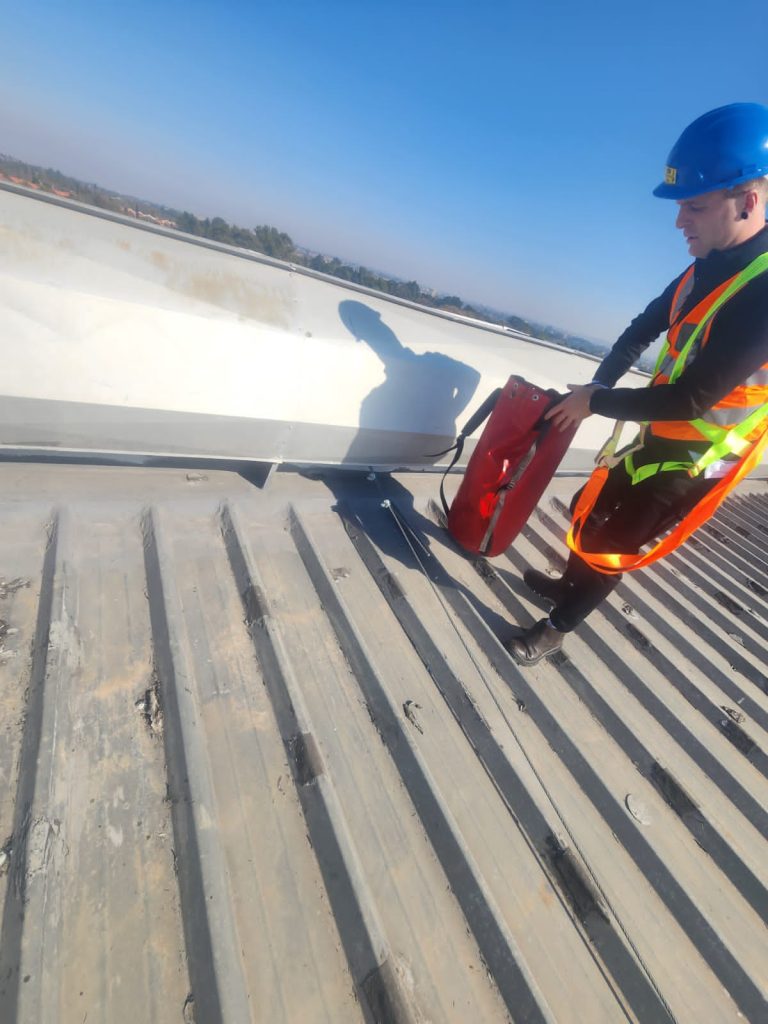

Roof Inspection Durban North: Prepare Your Roof for Heavy Storms
Durban North homeowners know how quickly the weather along the KwaZulu-Natal coast can change. Heavy seasonal rainfall, strong winds, high humidity and salt-laden coastal air can gradually wear down roofing materials and expose weaknesses that may go unnoticed until a storm arrives.
When intense rainfall hits, your roof must channel water safely through its valleys, gutters and downpipes. Damaged roof tiles, deteriorating flashing, corroded metal sheets or blocked drainage channels can allow water to enter your roof cavity and damage ceilings, insulation and timber components. Persistent moisture can also contribute to mould growth and timber deterioration, while water entering contact with electrical installations may create additional safety risks.
Arranging a professional roof inspection in Durban North before the summer rainfall season is a practical way to identify potential problems and arrange repairs before they become more disruptive. Rooftite Projects Pty Ltd provides roofing and waterproofing services to help property owners identify vulnerabilities, maintain effective drainage and protect their buildings against the effects of coastal weather.
Why Coastal Downpours Put Valley Gutters and Flashing at Risk
During heavy rainfall, certain parts of your roof handle concentrated water flow or are particularly vulnerable to wind-driven rain. Valley gutters and roof flashing deserve special attention during a professional inspection.
Valley Gutters and Roof Drainage
Valley gutters collect rainwater where two sloping roof sections meet. These channels can carry substantial volumes of runoff during a downpour, making clear drainage and sound waterproofing essential.
Leaves, branches, dirt and other debris can restrict water flow. Corrosion, damaged joints, inadequate falls or deteriorated protective coatings may also compromise the gutter’s ability to channel water away from the building.
If water cannot drain efficiently, it may overflow or enter the roof structure through vulnerable joints and surrounding roofing materials. Regular cleaning and inspection help identify these problems before heavy rainfall puts the drainage system under pressure.
Flashing Around Roof Intersections
Flashing is installed around vulnerable junctions, including chimneys, walls, roof penetrations and certain parapet details. Its purpose is to direct water away from joints that would otherwise be susceptible to leaks.
Durban North’s coastal environment can accelerate corrosion in unsuitable or poorly protected metals. Temperature changes, weather exposure and movement between adjoining building materials can also contribute to deteriorating sealants, loose flashing and failed joints.
During storms, wind-driven rain can exploit these weaknesses and enter the roof cavity. Identifying loose flashing, cracked sealants and deteriorated waterproofing early can help prevent more extensive water damage.
Warning Signs Your Durban North Roof Needs Attention
You do not need to climb onto your roof to identify several common warning signs. Checking your ceilings and observing your roof from the ground can help you recognise when a professional assessment may be necessary.
- Damp patches on ceilings: Brown stains, bubbling paint, peeling finishes or recurring damp areas may indicate a roof leak or another source of moisture.
- Overflowing gutters: Water spilling over gutter edges during rainfall may indicate blockages, inadequate drainage capacity, incorrect falls or a problem with the gutter system.
- Visible corrosion: Rust patches, flaking coatings or deteriorating metal around valleys, flashings and roof sheets may indicate that repairs are needed.
- Damaged or displaced tiles: Cracked, slipped or missing tiles can expose vulnerable sections of the roof to wind and rain.
- Musty smells in the roof cavity: Persistent damp odours may indicate moisture in insulation, ceiling materials or timber components.
- Loose or damaged roof sheets: Visible movement, lifted sheet edges or missing fasteners can indicate a vulnerability that should be assessed by a roofing professional.
- Water appearing after storms: A leak that develops during heavy rainfall may point to a defect in the roof covering, flashing, gutters or waterproofing system.
Not every damp patch originates from the roof, so identifying the actual source is important before undertaking repairs. If you notice any of these warning signs, arrange a professional roof inspection in Durban North to establish the cause and determine the appropriate corrective work.
Safety note: Avoid climbing onto a wet, steep or damaged roof. A ground-level inspection can help identify visible concerns, but a qualified roofing professional should assess areas that cannot be checked safely.
What Happens During a Professional Roof Inspection?
A professional roof assessment involves more than looking at the roof from the driveway. The inspection should consider the roof covering, drainage arrangements, vulnerable junctions and any accessible areas where signs of water ingress may be present.
At Rooftite Projects, the assessment can focus on the condition of the roof and the areas most likely to contribute to leaks or water damage.
1. Roof Coverings and Fixings
Tiles, corrugated sheets and other roof coverings are checked for visible cracks, displacement, corrosion, deterioration and damaged or missing fixings. The appropriate checks depend on the roofing material, roof design and safe accessibility.
2. Valley Gutters and Rainwater Drainage
Valley gutters and accessible drainage components are examined for debris, corrosion, deteriorated joints and visible drainage problems. Gutters and downpipes are also considered where they form part of the suspected leak or drainage issue.
3. Flashing and Waterproofing
Roof intersections, parapets, chimneys, vents and other vulnerable junctions are checked for loose flashing, damaged sealants, failed joints and signs of deteriorating waterproofing.
Where the building has a flat or low-pitched roof, the inspection may also consider the condition of the waterproofing membrane, visible cracking, blistering, ponding water and drainage outlets.
4. Roof Cavity and Accessible Timber
Where safe access is available, the roof cavity can be checked for water stains, damp insulation, visible timber deterioration, daylight entering through unintended openings and signs of previous leaks.
These observations can help establish whether a suspected defect has already affected internal building components.
5. Findings and Recommended Repairs
Once the assessment is complete, the findings should be explained clearly, with recommendations based on the condition of the roof and the severity of any defects identified.
Depending on the findings, the recommended work may involve replacing damaged tiles, repairing flashing, addressing valley gutter corrosion, clearing drainage channels or restoring a deteriorated waterproofing system.
The purpose is to identify the cause of the problem and recommend suitable repairs rather than automatically replacing an entire roof when targeted work may be sufficient.
Preventative Roof Maintenance vs Emergency Storm Repairs
Waiting until water enters your home can turn a relatively small roofing defect into a more complicated repair.
A damaged flashing joint or deteriorated valley gutter may initially allow only a small amount of water through. During prolonged or wind-driven rainfall, however, the leak may become more noticeable and affect ceilings, insulation, paintwork or timber.
Once internal damage occurs, the work may extend beyond the roof itself. Depending on the extent of the water ingress, additional repairs could include replacing damaged ceiling boards, drying affected materials, treating mould where appropriate, repainting or repairing deteriorated timber.
Preventative maintenance allows property owners to identify and address defects before the next major rainfall event. Cleaning drainage channels, replacing damaged roof coverings and repairing compromised waterproofing can reduce the risk of avoidable leaks.
However, even a well-maintained roof cannot be guaranteed to withstand every extreme weather event without damage. Regular inspections are intended to identify existing vulnerabilities and reduce preventable risks, not eliminate all storm-related damage.
For Durban North properties exposed to coastal weather, a planned maintenance schedule is particularly valuable because roofing materials and metal components may deteriorate over time.
Frequently Asked Questions About Roof Inspections in Durban North
How often should I arrange a roof inspection in Durban North?
An annual inspection is a useful starting point for many residential properties, preferably before the main summer rainfall season. Older roofs, properties with a history of leaks and buildings exposed to severe coastal weather may need more frequent assessments. An additional inspection after a significant storm can help identify visible damage.
Why are valley gutters vulnerable during heavy rainfall?
Valley gutters collect runoff from adjoining roof slopes and must carry that water towards the drainage system. Debris, corrosion, damaged joints or inadequate drainage can restrict flow and increase the risk of overflow or water ingress. Regular maintenance helps keep these channels functioning properly.
How long does a residential roof inspection take?
The time required depends on the property’s size, roof design, accessibility and condition. A straightforward inspection may take approximately one to two hours, although larger or more complex roofs can require longer. The inspection provider should confirm the expected duration based on the property.
Can a leaking roof be repaired during the rainy season?
In many cases, yes. The appropriate repair depends on the location and severity of the leak, the roofing material and the prevailing weather conditions. Some work can be completed during suitable breaks in the weather, while certain waterproofing applications require a dry surface and specific installation conditions.
If a leak develops during a storm, avoid attempting repairs on a wet roof. Where practical, protect belongings from water, keep clear of wet electrical fittings and arrange a professional assessment as soon as conditions permit. Severe water ingress or suspected electrical hazards may require urgent assistance.
Does a roof inspection include waterproofing?
An inspection can assess visible waterproofing components and identify potential failures, depending on the roof type and the agreed scope of work. Flat roofs, parapets, roof penetrations and valley gutters may require particular attention. If a defect is identified, the appropriate waterproofing repair will depend on the existing system and the condition of the underlying surface.
Book a Roof Inspection in Durban North with Rooftite Projects
Your roof plays an essential role in protecting your home against heavy rain, wind and coastal weather exposure. Identifying damaged tiles, deteriorating flashing, blocked drainage channels and waterproofing defects early can help you plan repairs before the next major downpour.
Whether you have noticed damp patches on your ceiling, suspect a leak around a valley gutter or simply want to check your roof before the summer rains, a professional assessment can help clarify the condition of your roofing system.
Rooftite Projects Pty Ltd provides roofing and waterproofing services in the Durban area, helping property owners identify problems and determine suitable repair options.
Concerned about your roof before the next storm? Contact Rooftite Projects to discuss your roofing concerns or arrange a roof inspection in Durban North.