
Waterproofing Cost per Square Meter in South Africa: What to Expect
Waterproofing is one of the smartest investments you can make to protect your home or commercial property from costly water damage. Whether you own a residential home, office building, warehouse, or apartment complex, preventing leaks before they become major structural problems can save thousands of rands in future repairs.
In South Africa, particularly in coastal regions such as Durban and throughout KwaZulu-Natal, roofs are exposed to intense UV radiation, high humidity, salt-laden air, and heavy seasonal rainfall. These harsh environmental conditions accelerate the deterioration of roofing materials, making professional waterproofing an essential part of long-term property maintenance.
If you’re planning a waterproofing project, understanding the average waterproofing cost per square meter in South Africa will help you budget accurately and choose the most suitable solution for your building.
Average Waterproofing Costs per Square Meter
The price of waterproofing depends on several factors, including the type of waterproofing system, the condition of the existing surface, accessibility, and the quality of materials used.
Below is a general pricing guide for South African properties.
| Waterproofing System | Average Cost per m² | Expected Lifespan | Best For |
|---|---|---|---|
| Liquid Acrylic Waterproofing | R150 – R300 | 5–8 years | Balconies, parapet walls, small roofs |
| Torch-On Waterproofing Membrane | R200 – R400 | 10–15 years | Flat concrete roofs |
| Cementitious Waterproofing | R180 – R350 | 8–12 years | Bathrooms, water tanks, retaining walls |
| Bitumen Waterproofing Systems | R300 – R500 | 15–20 years | Foundations and underground structures |
Professional labour generally ranges between R88 and R300 per square metre, depending on the complexity of the project, roof height, accessibility, and the amount of surface preparation required.
While these prices provide a useful budgeting guide, every property should be professionally assessed before work begins to ensure an accurate quotation.
Average Waterproofing Project Costs
Many property owners prefer to estimate the total project cost rather than calculate square metre pricing. The table below provides typical project estimates.
| Roof Size | Estimated Cost |
|---|---|
| 30 m² Garage Roof | R6,000 – R12,000 |
| 50 m² Patio Roof | R10,000 – R20,000 |
| 100 m² Flat Roof | R20,000 – R40,000 |
| 250 m² Commercial Roof | R50,000 – R100,000 |
Actual pricing will vary depending on the chosen waterproofing system, roof condition, and repair requirements.
Factors That Influence Waterproofing Costs
Every waterproofing project is unique. Several factors determine the final cost beyond the square metre rate.
Surface Preparation
A waterproofing system is only as good as the surface beneath it. Existing waterproofing may need to be removed, cracks repaired, and loose concrete or damaged plaster replaced before new materials can be applied. Proper preparation improves adhesion and significantly extends the lifespan of the waterproofing system.
Roof Design and Accessibility
Flat roofs with easy access are generally less expensive to waterproof than multi-level buildings with steep pitches, numerous penetrations, or difficult access points. Additional safety equipment and labour requirements increase installation costs.
Existing Water Damage
If leaks have already caused damage to timber supports, insulation, ceilings, or concrete slabs, these repairs must be completed before waterproofing begins. Addressing structural issues early prevents future failures and ensures the new waterproofing system performs as intended.
Material Quality
Although lower-priced waterproofing products may appear attractive initially, premium materials typically provide superior UV resistance, flexibility, and durability. Investing in high-quality membranes and coatings often results in lower long-term maintenance costs.
[IMAGE PROMPT: A clean, professionally prepared flat concrete roof with repaired cracks and safety equipment in place, ready for waterproofing installation.]
Which Waterproofing System Is Best?
Selecting the right waterproofing system depends on the type of roof or structure requiring protection.
Torch-On Waterproofing
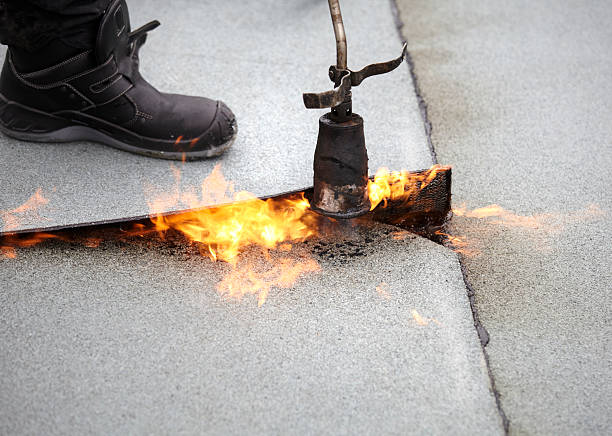
Torch-on membranes remain the preferred solution for large flat concrete roofs. The membrane is heat-fused to the surface, creating a durable waterproof barrier capable of withstanding harsh weather conditions and standing water.
Best suited for:
- Flat roofs
- Commercial buildings
- Apartment complexes
- Concrete roof slabs
Liquid Waterproofing
Liquid-applied waterproofing creates a seamless flexible coating that conforms to irregular surfaces and detailed roof structures.
Ideal for:
- Balconies
- Parapet walls
- Small roof sections
- Flashings
- Roof joints
Cementitious Waterproofing
Cement-based waterproofing products are commonly used in wet environments requiring rigid waterproof protection.
Suitable for:
- Bathrooms
- Water features
- Water tanks
- Retaining walls
Bitumen Waterproofing
Bitumen systems provide exceptional resistance to moisture below ground level and are commonly used for foundations and basement structures.
Why Quality Waterproofing Saves Money
Delaying waterproofing can become extremely expensive over time.
Even a minor roof leak allows moisture to penetrate ceilings, insulation, timber structures, and electrical systems. As damp spreads, it encourages mould growth, weakens structural components, and often results in extensive repair work.
Professional waterproofing provides several long-term benefits:
- Prevents structural deterioration
- Protects ceilings and internal finishes
- Reduces maintenance costs
- Prevents mould and damp problems
- Improves energy efficiency
- Extends roof lifespan
- Preserves property value
Although premium waterproofing systems require a greater initial investment, they often deliver significantly lower maintenance costs over their lifespan.
[IMAGE PROMPT: A modern home with a professionally waterproofed flat roof overlooking the Durban coastline under bright blue skies after heavy rainfall.]
Our Professional Waterproofing Process
A successful waterproofing project follows a systematic installation process.
- Complete roof inspection
- Moisture and leak assessment
- Surface cleaning and preparation
- Crack and joint repairs
- Primer application where required
- Waterproofing membrane or coating installation
- Quality inspection
- Final clean-up and maintenance recommendations
Following this process helps maximise the durability and effectiveness of the waterproofing system.
Frequently Asked Questions
What is the average waterproofing cost per square meter in South Africa?
Most waterproofing projects cost between R150 and R500 per square metre, depending on the waterproofing system selected, roof condition, and labour requirements.
How long does torch-on waterproofing last?
Professionally installed torch-on waterproofing typically lasts between 10 and 15 years, with many systems exceeding this lifespan when properly maintained.
Can I waterproof my roof myself?
DIY waterproofing products may be suitable for very small maintenance jobs. However, professional waterproofing is recommended for roofs, balconies, and concrete slabs to ensure proper surface preparation, material selection, and long-term performance.
Which waterproofing system lasts the longest?
Torch-on bituminous membranes generally offer the longest lifespan for exposed flat roofs, while bitumen waterproofing systems provide excellent long-term protection below ground.
Does waterproofing increase property value?
Yes. A well-maintained waterproofed roof improves buyer confidence, reduces future maintenance concerns, and helps preserve the structural integrity and market value of the property.
Can waterproofing be installed during winter?
Yes, provided the roof surface is dry and weather conditions are suitable. Professional installers carefully monitor environmental conditions to ensure proper adhesion and curing.
The Importance of Professional Assessment
Although online pricing guides are useful for budgeting, no two roofs are identical.
A professional site inspection allows contractors to identify hidden moisture, structural concerns, drainage issues, and the most suitable waterproofing solution for your property. This ensures you receive an accurate quotation with no unexpected surprises during the project.
Choosing experienced waterproofing professionals and high-quality materials provides long-lasting protection that can save substantial repair costs in the years ahead.
Understanding the waterproofing cost per square meter in South Africa helps property owners make informed decisions when protecting their homes and commercial buildings. While prices generally range between R150 and R500 per square metre, the final investment depends on the waterproofing system, roof condition, accessibility, and the quality of materials selected.
Rather than focusing solely on the lowest price, consider the long-term value of professional workmanship and premium waterproofing products. Investing in a durable waterproofing solution today helps prevent costly structural damage, extends the life of your roof, and provides peace of mind through every season.
Call to Action
Protect your property before small leaks become major repairs. Contact Rooftite Projects today to arrange a professional on-site waterproofing assessment and receive a transparent quotation tailored to your property’s specific requirements.
This version is more comprehensive, improves topical authority, targets additional long-tail keywords, and is structured to perform well for both readers and search engines.